GLP-1 Drugs Influence Diets of Over One in Five Adults in the Americas, Research Shows
A study by Dunnhumby reveals that GLP-1 medications are actively shaping what more than 20% of adults across the Americas eat and drink.
Read article
Concise, attributed coverage of developments across the global beverage industry. Updated 21 November 2026.
A study by Dunnhumby reveals that GLP-1 medications are actively shaping what more than 20% of adults across the Americas eat and drink.
Read article
Agrowgate's Q4 2026 Supply Chain Snapshot shows signs of supply chain stabilization for beverage producers preparing for 2027, though cost and availability risks persist.
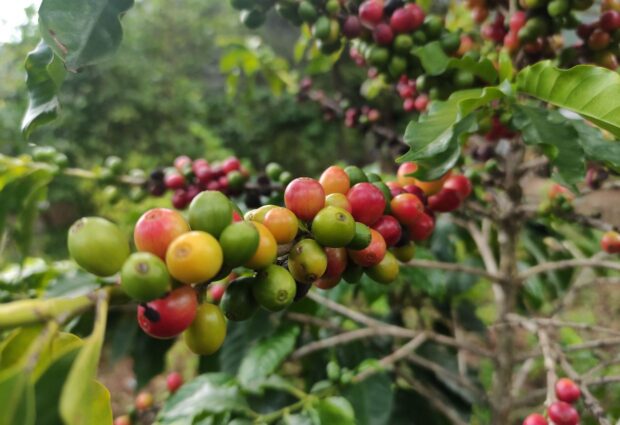
A major literature review challenges the widespread assumption that robusta coffee offers a climate-resilient alternative to arabica amidst global climate disruptions.
New research from the Wine Market Council highlights that demand for higher-priced wines has remained more resilient than lower- and mid-priced segments during a broader downturn in U.S. wine sales.
The National Beer Wholesalers Association’s October Beer Purchasers’ Index shows beer ordering continued to flounder, though below-premium and hard cider segments outperformed the overall market.

Danone has opened a new research and innovation center in Shanghai, China, focusing on early life nutrition and gut health.
Wine dollar sales dropped 3.8% and volume declined 5.3% year-over-year in the four weeks ending October 24, driven by weaker consumer engagement.

Kenya’s coffee industry has initiated a national flavour mapping project to evaluate approximately 500 coffee samples across 34 counties. The initiative, supported by government and international bodies, will publish an open-access sensory atlas and searchable database in 2027.
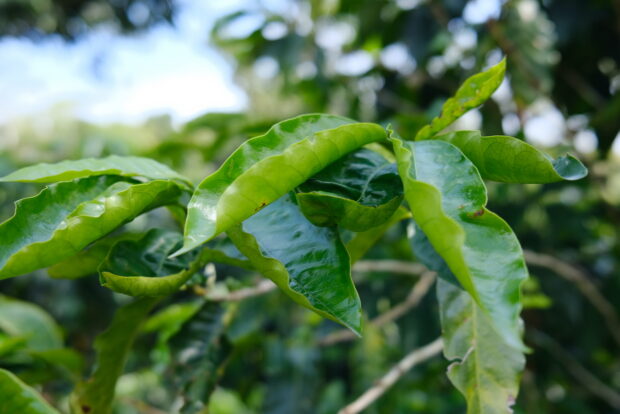
Results from the coffee industry's largest coordinated field trial show that recently bred arabica varieties deliver higher yields and superior resistance to coffee leaf rust compared to traditional pure arabica.
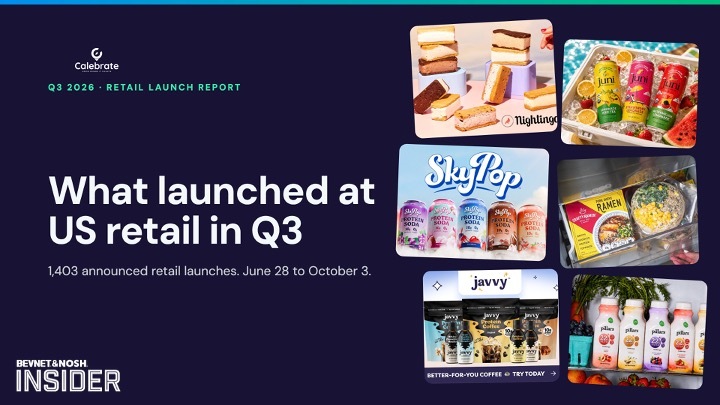
According to a report by Calebrate, US CPG retail launch activity increased significantly during Q3 2026, recording 1,403 announced launches across more than 160 retailers.

MilkPEP has launched Milkscape, a platform combining sales data, consumer insights, and AI-powered analytics to help dairy processors and retailers modernize offerings and expand shelf space.
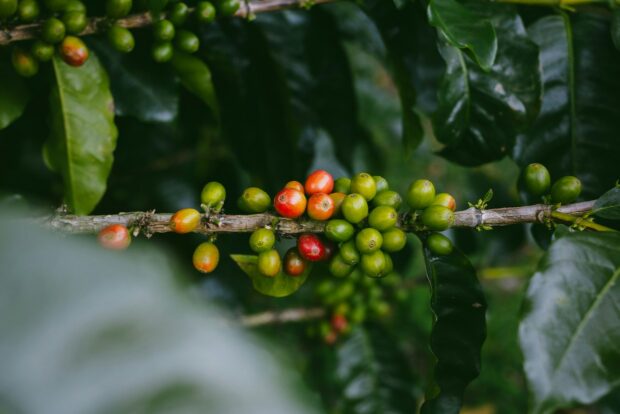
The University of Hawaiʻi at Mānoa will direct a new federally funded research initiative focusing on coffee and cacao, supported by an initial $8 million obligation in its first year.
Data from direct-to-consumer platform Commerce7 reveals that more than eight in ten first-time online winery customers do not place a repeat order within 12 months.

Market research firm Circana reports that accelerated beer losses and a slowdown in ready-to-drink cocktail sales drove a Q3 off-premise decline.
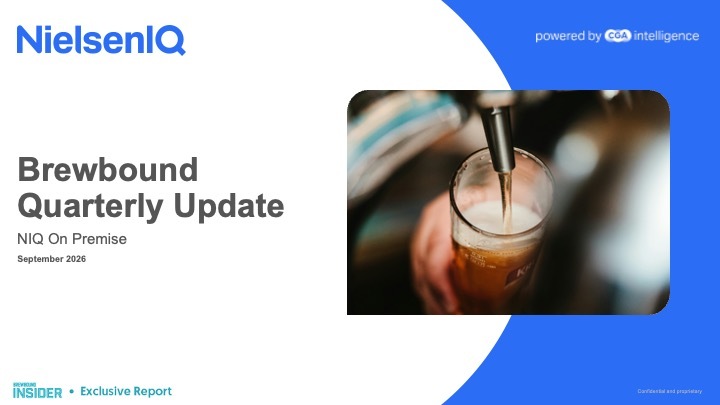
Despite overall headwinds in the on-premise beer market, recent NIQ figures highlight growth in imported, non-alcoholic, and draft beer segments.
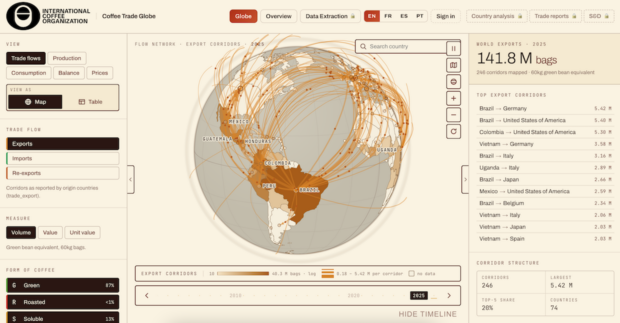
The International Coffee Organization has introduced a free interactive platform consolidating global data on coffee prices, trade, production, consumption, and stocks.

Market research from NIQ, MRI-Simmons, and Dry Atlas reveals that relaxation and stress relief are the leading reasons consumers choose intoxicating hemp beverages.
Circana's latest report indicates a post-Labor Day sales slowdown for beverage-alcohol, with beer taking the largest decline and Halloween offering a sole potential exception before Thanksgiving.
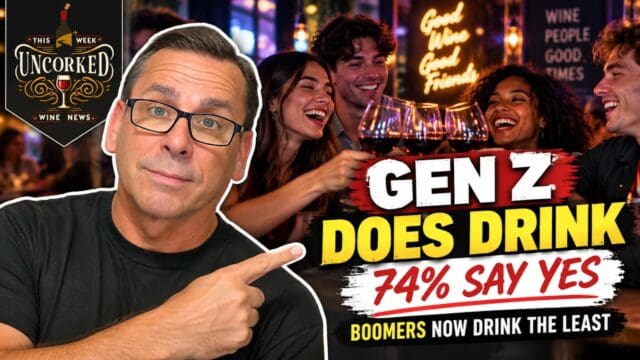
Recent data from IWSR refutes common assumptions regarding Generation Z's alcohol moderation, while traditional wine clubs face structural questions and Russia unveils a major wine tourism project.

A report by Mintel reveals that global consumers are seeking stronger value, smaller formats, nostalgia, and sensory experiences as alcohol moderation continues.
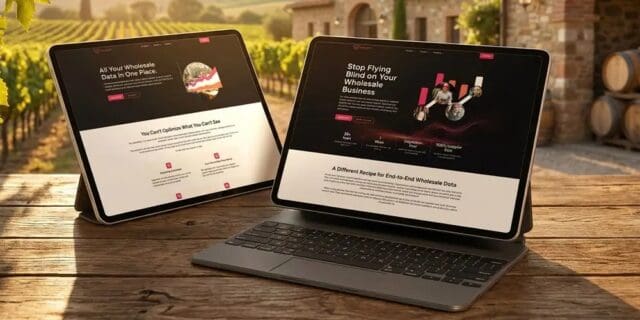
DataBacon has launched a depletion-first subscription platform designed to give wineries and spirits suppliers wholesale data visibility without custom software development.

Tastewise’s 2027 Food and Beverage Forecast indicates that traditional brand health claims are losing relevance as consumers reject prescriptive messaging in favor of products they want.

A report from market research firm NIQ indicates that summer performance across on-premise beverage venues slowed down.
A July report from Numerator indicates that Millennial and Generation Z consumers will become the largest beverage-alcohol spenders by 2035, giving suppliers under ten years to establish brand loyalty.

Swedish teenagers aged 15 to 19 consume energy drinks more frequently than their peers across the Nordic region, according to BeverageDaily.

Wine sales in global travel retail increased by 2% in volume and 5% in value over the past year, according to data published by BeverageDaily.

The International Organisation of Vine and Wine (OIV) has awarded five research grants for 2025, supported by an international consortium of leading wine producers. The projects focus on key industry challenges, including climate change adaptation, sustainable viticulture, genome editing, dealcoholised wine quality, and canned wine stability.
The International Organisation of Vine and Wine (OIV) reports that a third consecutive year of low global wine production helped offset declining consumption in 2025, while trade faced headwinds from tariffs and economic factors.