
Midterm Election Analysis Examines Impact on Wineries
Wine Industry Advisor reported on an analysis addressing the practical impact of recent midterm election results on wineries.
Read article
Concise, attributed coverage of developments across the global beverage industry. Updated 21 November 2026.
Wine Industry Advisor reported on an analysis addressing the practical impact of recent midterm election results on wineries.
Read article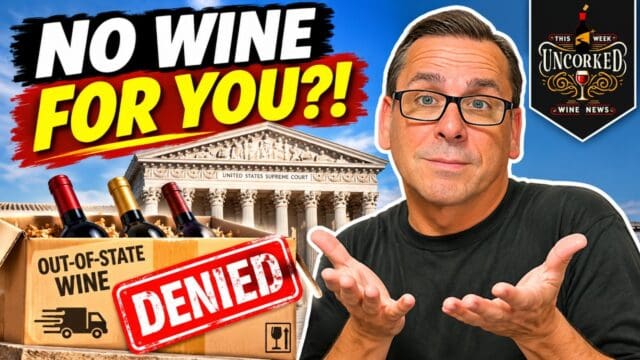
The U.S. Supreme Court has declined to review a major interstate wine shipping case, leaving conflicting state laws unresolved.

The UK has announced a deal with the European Union in Brussels, which encompasses an agreement on food and drink exports.
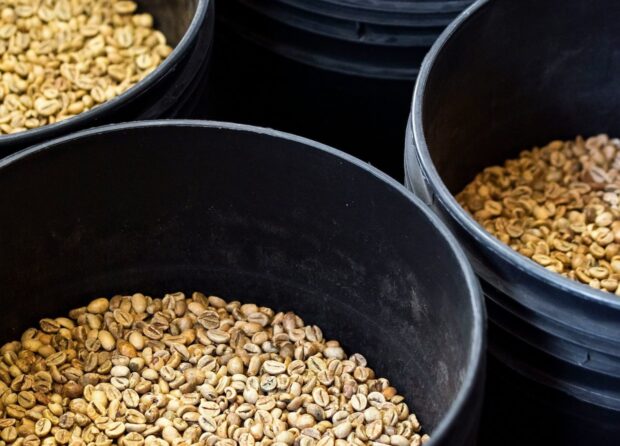
Fair Trade USA is increasing its minimum price floor for washed arabica coffee from $1.40 to $2 per pound, according to Daily Coffee News.

U.S. Senators have introduced the Hemp Guardrails Act, establishing an FDA-overseen regulatory framework to keep hemp-derived THC and CBD products legal while adding industry guardrails.
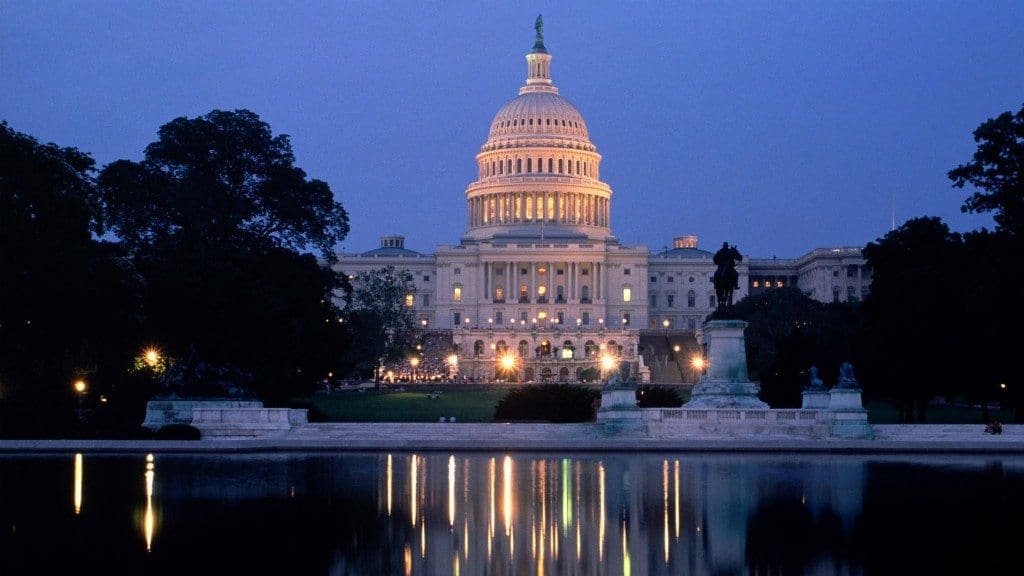
Following the 2026 midterm elections, the incoming 120th Congress will bring new political leadership and legislative priorities affecting wineries across the United States when it convenes in January.
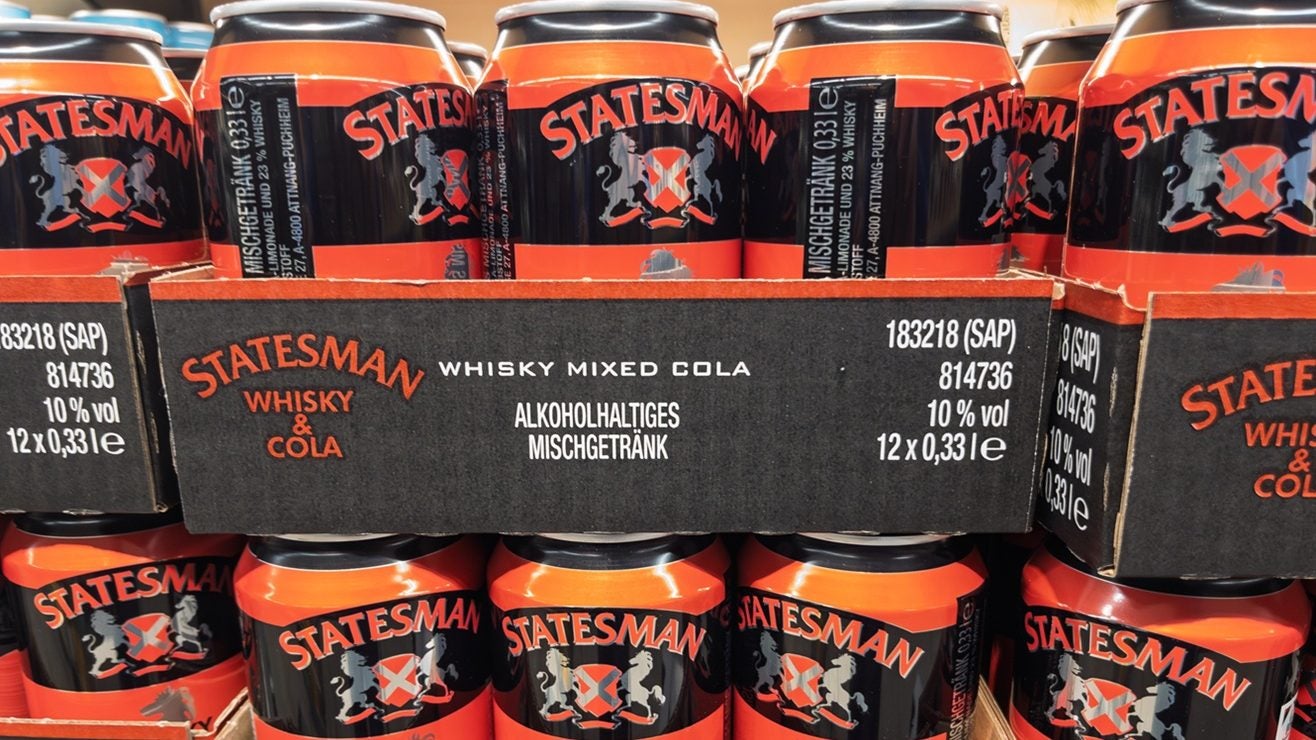
Germany's spirits industry has criticized a proposed plan to broaden the country's alcopop tax to stronger ready-to-drink products, warning that the tax change will raise consumer prices.

The Beer Institute has named intoxicating hemp and high aluminum pricing as its chief advocacy and policy targets for the upcoming year.

Australia's media watchdog has called on free-to-air television networks to take immediate action to reduce children's exposure to alcohol advertising, according to Just Drinks.
An opinion piece by Jim Trezise in Wine Industry Advisor notes that the November 3 'Blue Wave' election could present strategic opportunities for the wine sector by 2028.

FoodNavigator-Asia reports that voters in Arizona, California, Florida, and North Dakota evaluated state ballot measures regarding grocery taxes, soda taxes, and food assistance programs.

Results from the U.S. midterm elections could significantly impact food affordability, industry regulation, and international trade, according to a report by FoodNavigator-Asia.

Soft drinks, cereals, and yogurt would be the most affected product categories if the UK government updates its criteria for identifying less healthy food, according to a recent study.
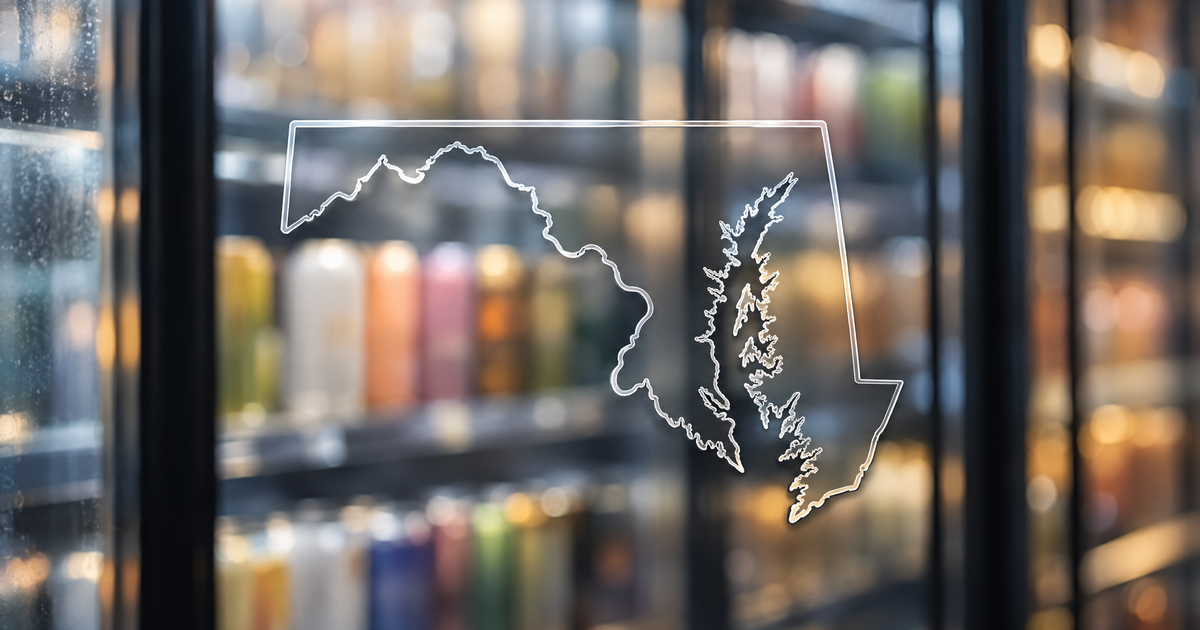
Maryland has revised its distribution regulations, offering ready-to-drink cocktail suppliers increased flexibility in product distribution amid strong category sales growth.
Effective October 3, 2026, Washington state wineries have been granted greater flexibility to lease and share their physical property.

Wine Industry Advisor reports on a long-term outlook for the wine trade between India and New Zealand, impacting importers, distributors, and consumers.

Voters in seven U.S. states approved 19 local ballot measures during recent elections to expand distilled spirits access, including Sunday off-premise sales and expanded mixed beverage permits.

Russia has reportedly increased import tariffs on strong alcohol originating from designated 'unfriendly' countries.

South Africa is considering additional restrictions on sugar imports following an August 2026 tariff increase. The decision comes amid rising import volumes, local milling disruptions, and debate between domestic sugar producers and beverage manufacturers over raw material costs.

Kenya has appointed new leadership to the Coffee Board of Kenya and the newly established Coffee Research and Training Institute under the framework of the Coffee Act, 2026, aiming to support regulatory reform and reach a target production of 150,000 metric tonnes.
European Union member states are set to evaluate an outline of a potential bilateral agreement with the UK regarding agri-food exports.

Restrictions on SNAP purchases of select food and beverage products took effect in Montana, North Dakota, South Carolina, and Virginia on Nov. 1, impacting consumer sales.
Europe is enforcing stricter rules on environmental marketing terms, placing common label descriptors such as 'natural' and 'eco-friendly' under scrutiny.

Uganda is supporting a new African Union policy framework designating coffee as a strategic commodity, aiming to shift from raw bean exports to high-value local processing and expand trade under AfCFTA.
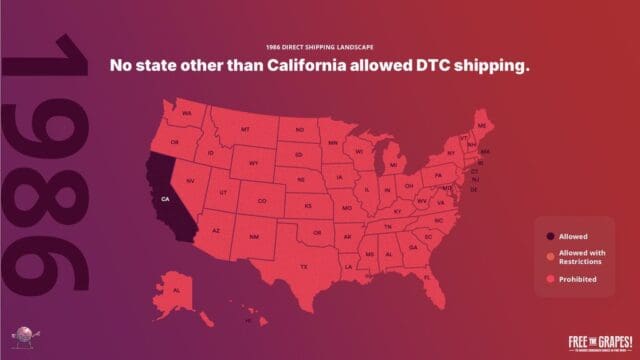
According to Wine Industry Advisor, direct winery-to-consumer shipping has expanded to 49 states over a 40-year effort, though regulatory advocacy remains ongoing.
The Distilled Spirits Council of the United States (DISCUS) submitted its report to the USTR for the 2027 National Trade Estimate Report, advocating for permanent zero-for-zero tariffs and the removal of international trade barriers following a 4% decline in U.S. spirits exports in 2025.
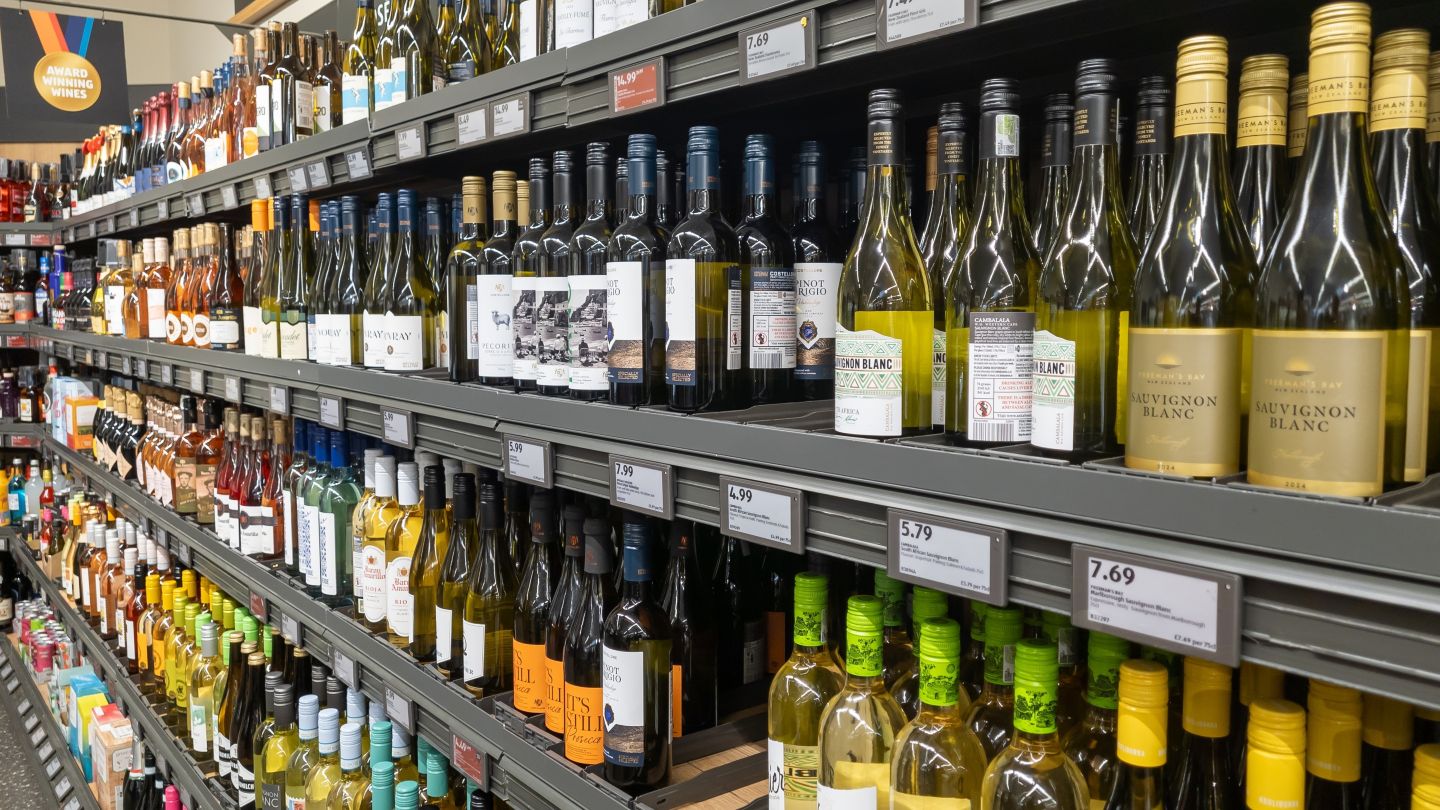
UK wine and spirits producers have voiced opposition to the government's planned increase in alcohol duty rates set to take effect next year.
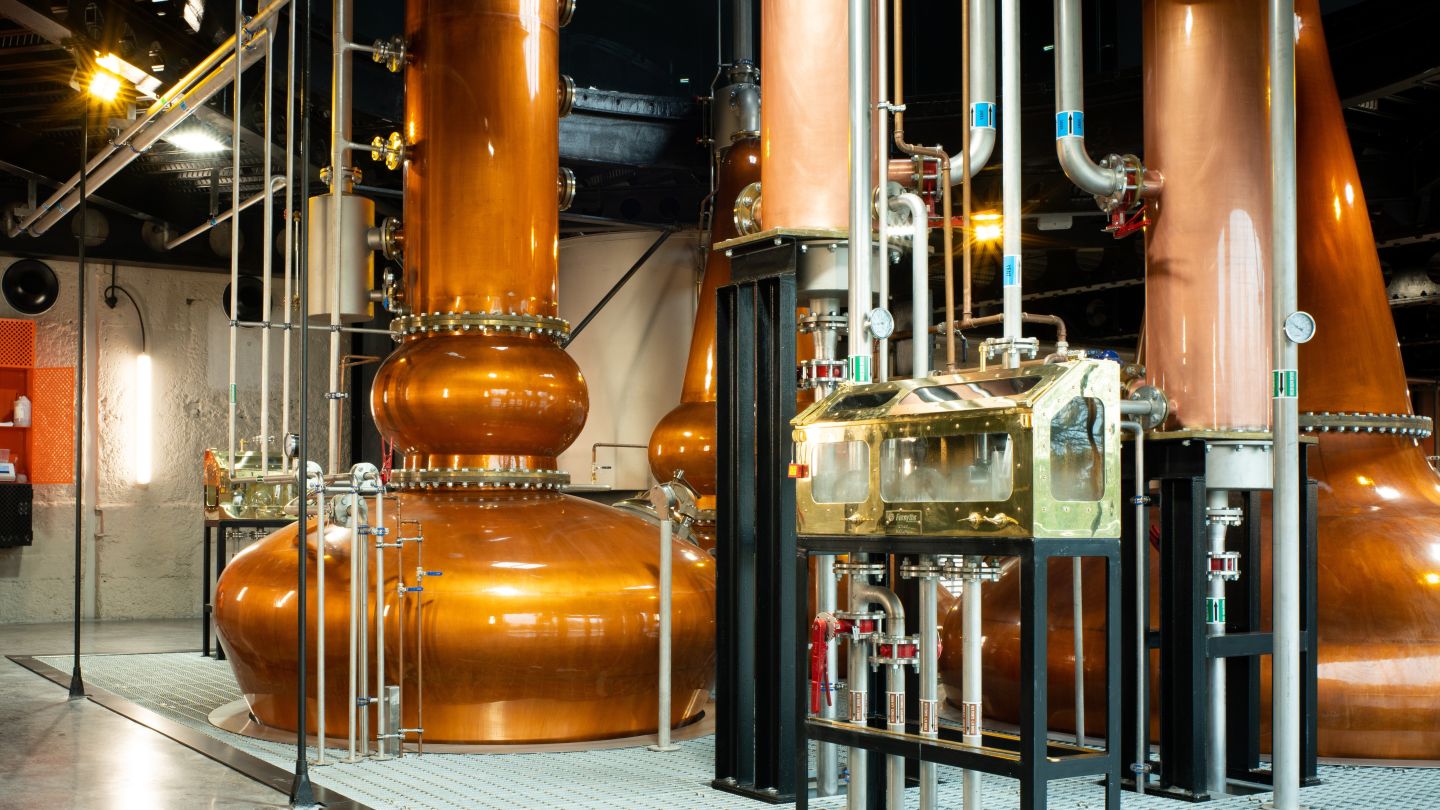
Proposed amendments to Irish whiskey's technical file could bring greater diversity to the spirits category, according to commentary published by Just Drinks.

An industry body representing Diageo and Pernod Ricard claims India's decision to exclude bulk Scotch imports from tariff reductions violates its trade accord with the UK.

A new analysis estimates mandatory ultra-processed food labeling could affect 72% of packaged food products and cost $14.2 billion annually, prompting pushback from the Consumer Brands Association.
Canadian imports of US wine and spirits have fallen from nearly 20% to virtually zero, signaling a major export disruption for American producers.

Edibles.com president Thomas Winstanley addressed hemp's upcoming December cliff, potential business pivots, and the future of the cannabis beverage market.

Eight German industry associations have launched an information campaign opposing a proposed national sugar tax, according to Just Drinks.

Charlotte Harrington, CEO of Belu, has voiced concerns regarding Extended Producer Responsibility (EPR) rules, describing the framework as simplistic.
The Distilled Spirits Council of the United States (DISCUS) recently completed trade promotion events in Poland and Germany under the USDA Market Access Program, seeking to expand commercial distribution for American spirits producers in the European Union.

Indonesia has extended the compliance deadline for mandatory halal certification across several sectors, including food and beverages, moving the mandatory enforcement date from October 2026 to October 2028 to allow businesses and international trade partners more preparation time.

Wine Industry Advisor highlighted California's Senate Bill 54 Extended Producer Responsibility program and its potential impact on winery compliance requirements.

Wine Industry Advisor featured on MHW's podcast to discuss compliance challenges impacting non-alcoholic wine, beer, and spirit alternatives.

Waterloo Container met with New York state leadership and industry partners in New York City to support market access expansion and practical modernization for the state's wine and craft beverage sectors.

The hemp beverage sector is less than two months away from a federal ban on nearly all market products, though Hemp Beverage Alliance leadership remains optimistic about legislative intervention.

Germany has approved a draft sugar tax on soft drinks, with implementation planned for July 2027, according to BeverageDaily.

Wine Industry Advisor reports on a settlement involving Southern Glazer's, drawing attention back to the 1936 U.S. Robinson-Patman Act regarding preferential pricing for large retail chains.
Japan’s Cabinet has approved a bill to temporarily reduce the consumption tax on food and non-alcoholic beverages from 8% to 1% for two years starting in fiscal 2027.

Lindsay Hoopes has assumed leadership of her family's Napa County winery, expecting a collaborative relationship with local authorities, according to Wine Industry Advisor.
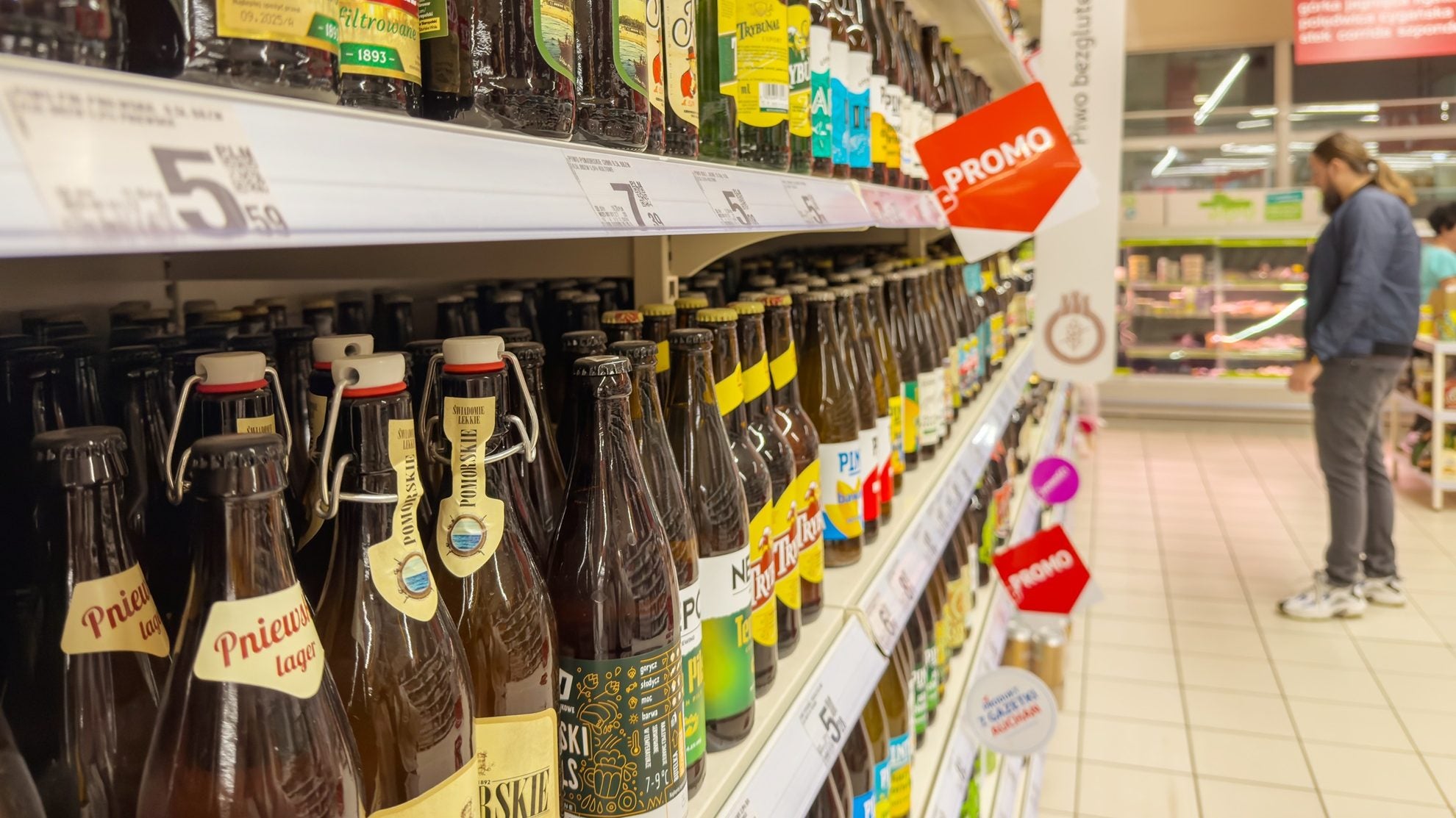
Poland's lower house has supported a bill extending the country's ban on alcohol advertising and implementing curbs on off-premise alcohol sales.

The Scotch Whisky Association has lodged an appeal against the UK government's decision to approve a Geographical Indication for English whisky.

The U.S. Supreme Court will decide in conference whether to review a Sixth Circuit ruling that struck down Ohio's wine retailer shipping law as unconstitutional.
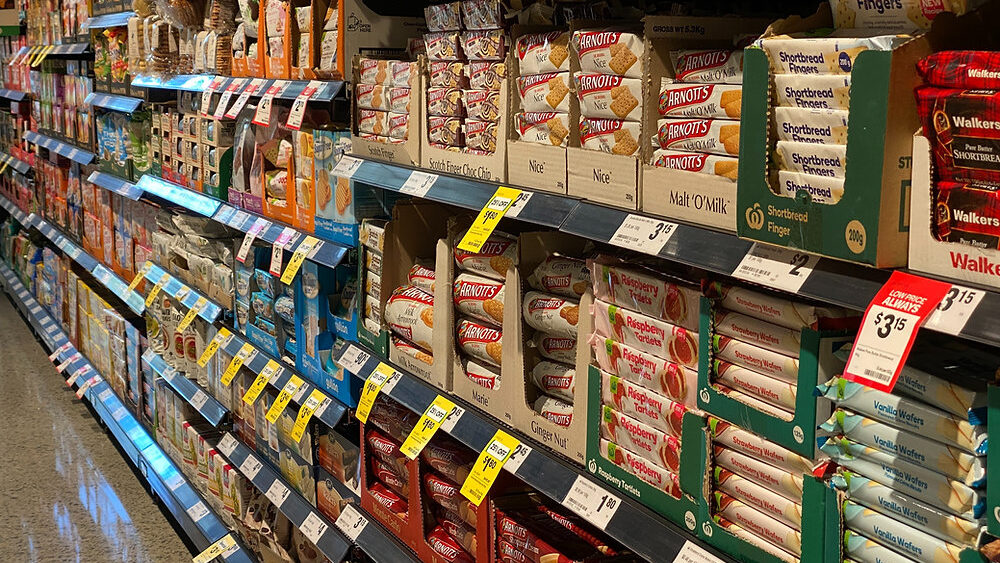
As part of its 2027 budget, France has proposed extending its existing soft drinks sugar tax to high-sugar ultra-processed foods on a sliding scale. The move forms part of a wider trend across Europe, where countries including the UK, Poland, and Germany are expanding or introducing sugar levies on beverages and food products.

Producers of non-carbonated hard sports drinks are prohibited from making health-related claims or calling their products sports drinks, according to legal expert Alva Mather.

Kenya has enacted the Coffee Act 2026, providing coffee growers with diversified marketing routes beyond the domestic exchange, alongside direct payment settlement mechanisms and regulatory frameworks to maintain export standards.
California has enacted legislation sponsored by Napa Valley Vintners to update social media regulations for wineries doing business in the state.

A Federal Trade Commission settlement limits the price difference Southern Glazer’s Wine and Spirits can offer chains versus independent retailers.

Togolese authorities have set official producer prices for the 2026–2027 marketing season starting October 1, establishing coffee at CFAF 1,300 per kilogram and cocoa at CFAF 2,240 per kilogram following a sharp drop in recent export volumes.

A United States import ban on Canadian wine and spirits has taken effect, compounding an ongoing trade dispute that has severely reduced U.S. beverage exports and impacted hospitality businesses on both sides of the border.
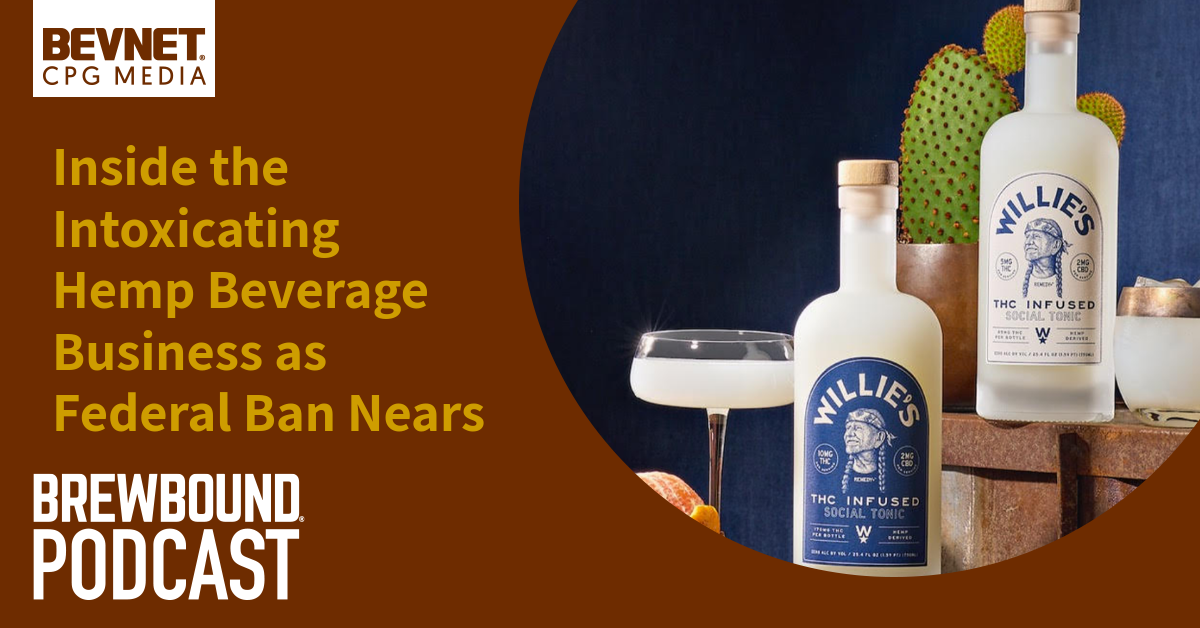
A delayed federal ban could force intoxicating hemp beverages off the market by mid-December, though industry activity continues despite regulatory threats.
Wine Industry Advisor reports that featuring 'Napa' on wine labels and advertising requires legal qualification rather than simple marketing approval.
A survey of 50 spirits producers conducted by spiritsEUROPE reveals growing concern over the European business environment, with 60% reporting deteriorating conditions and only 24% expressing confidence in the EU's current competitiveness measures.