
Tequila Producers Adopt Advanced Cask Finishing to Broaden Category Appeal
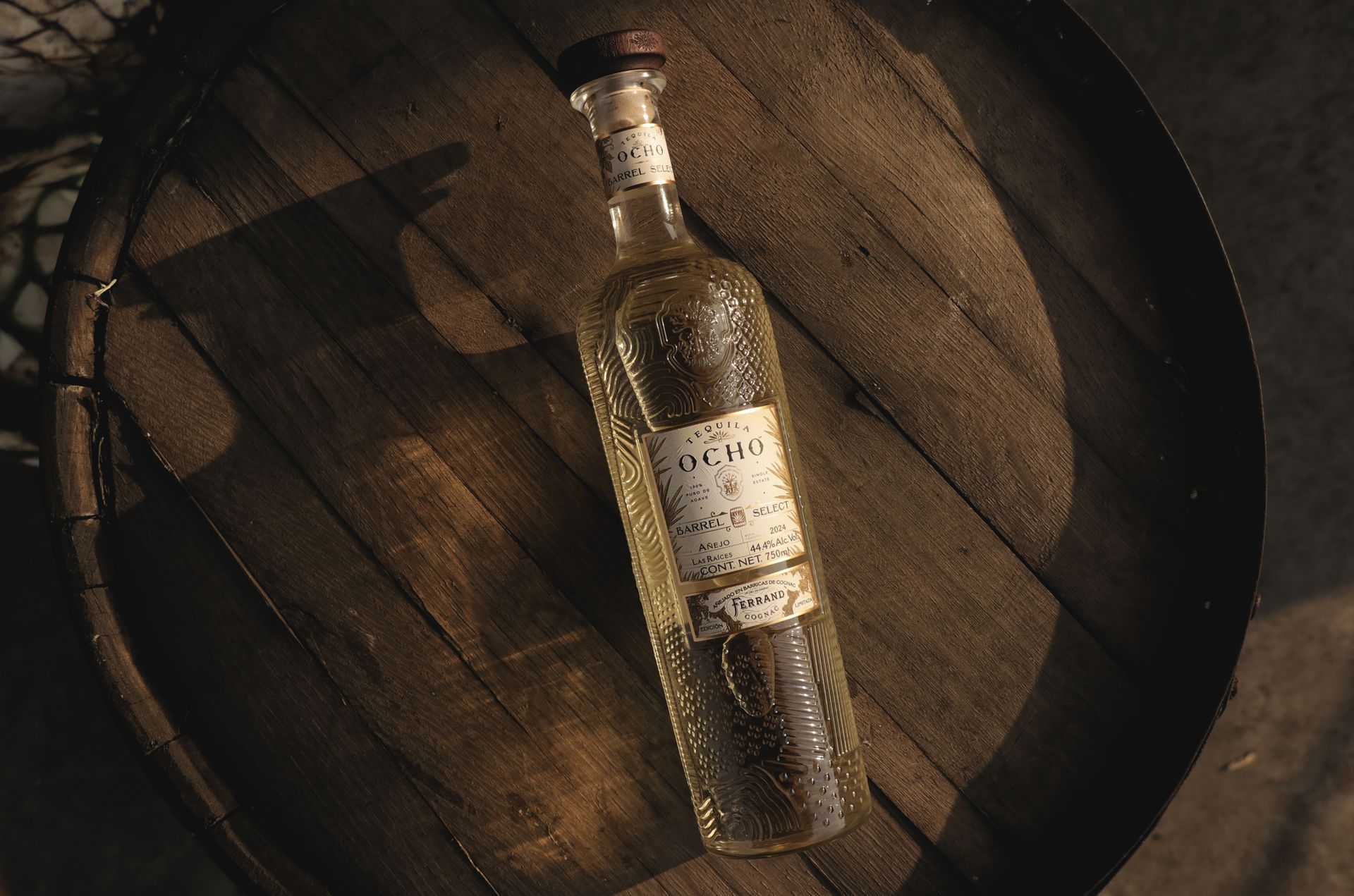
Tequila makers are moving beyond traditional white American oak by utilizing alternative woods and novel barrel-seasoning methods, including Cognac, Mizunara, Scotch, and mole-seasoned casks, to expand flavor complexity and target whisky and wine consumers.
Tequila producers are increasingly adopting specialized cask-finishing techniques to alter the aroma, flavor, and texture of aged spirits. Traditionally, aged tequilas rely on white American oak barrels to soften harsh alcohol notes. To attract whisky and wine drinkers while expanding spirits profiles, master tequileros are introducing alternative wood species, secondary cask finishes, and custom barrel seasonings designed to complement the core agave base.
Several commercial releases highlight this focus on maturation methodology. Tequila Ocho produces its Barrel Select Añejo by aging spirit in French oak casks previously used for Cognac. According to Tequila Ocho Global Brand Ambassador Jesse Estes, seasoned Cognac barrels interact differently than new wood, allowing the cask to frame the agave without dominating its flavor.
Casa Dragones introduced Casa Dragones Reposado Mizunara (40% ABV), marked as the first tequila aged exclusively in rare Japanese Mizunara oak. Co-founder and CEO Bertha González Nieves stated that the wood imparts subtle Japanese oak characteristics while preserving agave minerality. Similarly, Don Fulano uses French Limousin oak for Don Fulano Reposado (40% ABV) to add dry spice, while also experimenting with oloroso Sherry, amontillado Sherry, and Calvados casks, according to co-founder Sergio Mendoza.
Producers are also implementing novel seasoning and multi-cask processes. José Cuervo’s Reserva de la Familia developed Private Cask Collection Edition No2 (40% ABV), finished in barrels seasoned with Oaxacan red mole paste. Maestro Tequilero Alejandro Coronado explained that the specialty paste was applied to the interior of new American oak barrels, absorbed into the wood, and then rinsed before aging añejo tequila. Meanwhile, Tequila Partida produces Partida Roble Fino Añejo (45% ABV), which matures for 18 months in ex-bourbon barrels before undergoing a five-month finish in Sherry-seasoned ex-single malt Scotch casks. Master Tequilero José Valdez noted that ex-bourbon delivers a softer texture while Scotch casks provide additional depth.
These production innovations allow brands to create premiumized line extensions and cross-category appeal. Distillers note that the main technical challenge across these practices remains balancing wood-derived compounds against the underlying agave profile.
Key facts
- Tequila Ocho uses seasoned French oak Cognac casks for its Barrel Select Añejo to avoid overwhelming agave flavors.
- Casa Dragones Reposado Mizunara (40% ABV) is the first tequila aged exclusively in Japanese Mizunara oak barrels.
- José Cuervo's Reserva de la Familia Private Cask Collection Edition No2 (40% ABV) uses new American oak barrels seasoned with Oaxacan red mole paste and then rinsed.
- Don Fulano Reposado (40% ABV) matures in French Limousin oak, with the producer also utilizing oloroso Sherry, amontillado Sherry, and Calvados casks.
- Tequila Partida's Partida Roble Fino Añejo (45% ABV) is aged 18 months in ex-bourbon barrels and finished for 5 months in Sherry-seasoned ex-single malt Scotch casks.
Why it matters
Cask-finishing innovations allow tequila producers to premiumize their portfolios, diversify flavor profiles, and attract consumers from the whisky and wine segments while maintaining agave integrity.
- Decanter — 2026-11-12: “The finishing touch: How aged tequila is being transformed”
This article was prepared by WBI.org from the sources listed above with the assistance of AI and reviewed by a WBI editor before publication. Information is attributed to its original sources.