
Study Shows Regenerative Coffee Farming in Brazil Is Economically Competitive
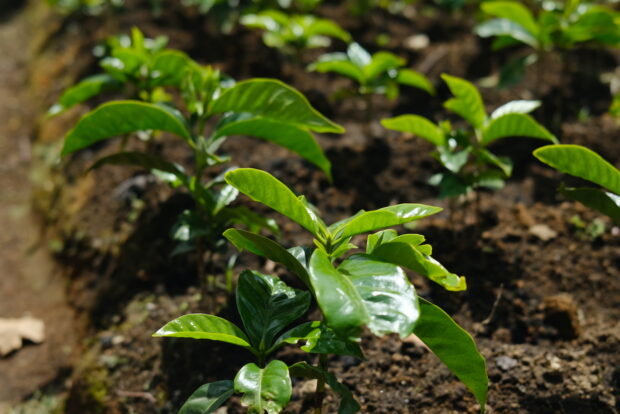
A field study of seven Brazilian coffee farms shows that regenerative agriculture provides environmental benefits while maintaining high productivity and economic competitiveness.
A study examining seven coffee farms in Brazil indicates that regenerative agriculture offers significant environmental benefits while remaining economically competitive and maintaining strong productivity. Led by the Brazilian arm of an organization, the research field-tested the economic viability of sustainable farming practices within the country's coffee sector. According to report details published by Daily Coffee News, the findings suggest that coffee growers do not need to compromise crop yields or financial performance to adopt environmentally beneficial practices. Further specific economic metrics and full organizational details were not provided in the source excerpt.
Key facts
- A study field-tested seven coffee farms in Brazil.
- Regenerative agriculture practices demonstrated significant environmental benefits.
- The study found regenerative methods to be economically competitive while sustaining strong productivity.
- The research was led by the Brazil arm of an organization truncated in the source text.
Why it matters
The findings indicate to beverage industry stakeholders and coffee supply chains that transitioning to regenerative agriculture does not require sacrificing yields or commercial viability.
- Daily Coffee News — 2026-11-09: “Brazil Study Field-Tests the Economics of Regenerative Coffee”
This article was prepared by WBI.org from the sources listed above with the assistance of AI and reviewed by a WBI editor before publication. Information is attributed to its original sources.