
Sonoma State Professor Analyzes Financial Limits of Wine and Dining Differentiation
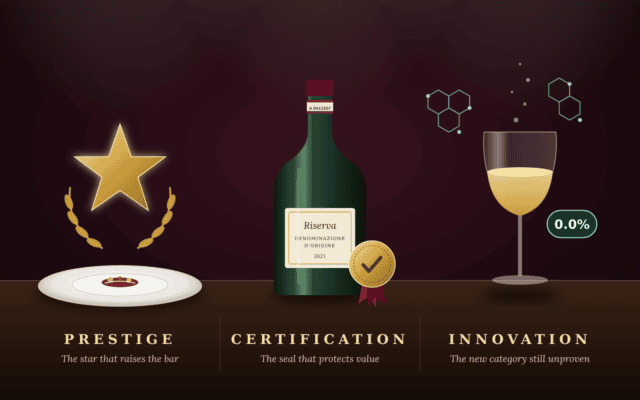
Angelo A. Camillo of the Wine Business Institute examines how Michelin stars, Italian appellations, and no-alcohol wine demonstrate that prestige, certification, and innovation do not always deliver economic returns.
According to Wine Industry Advisor, Angelo A. Camillo, PhD, MBA, an Associate Professor at Sonoma State University's Wine Business Institute, published an analysis on the economics of differentiation. Titled "The Excellence Trap: Why Prestige, Certification, and Innovation Do Not Always Pay," the piece evaluates how Michelin stars, Italian appellations, and no-alcohol wine affect financial returns. Camillo explores why investments in prestige, industry certification, and product innovation do not consistently yield positive commercial outcomes for beverage and hospitality businesses. Complete details of the analysis are not provided as the source content is truncated.
Key facts
- Authored by Angelo A. Camillo, PhD, MBA, Associate Professor at the Wine Business Institute, Sonoma State University.
- Titled 'The Excellence Trap: Why Prestige, Certification, and Innovation Do Not Always Pay'.
- Examines the economics of differentiation across Michelin stars, Italian appellations, and no-alcohol wine.
- Focuses on why prestige, certification, and innovation do not always yield financial gains.
Why it matters
The analysis highlights potential financial risks for beverage and hospitality businesses that invest heavily in prestige, appellation certifications, or category innovations like no-alcohol wine without guaranteed commercial returns.
- Wine Industry Advisor — 2026-10-22: “The Excellence Trap: Why Prestige, Certification, and Innovation Do Not Always Pay”
This article was prepared by WBI.org from the sources listed above with the assistance of AI and reviewed by a WBI editor before publication. Information is attributed to its original sources.