
Small-Scale Production and Skin-Contact Traditions Define Friuli’s Carso Wine Region
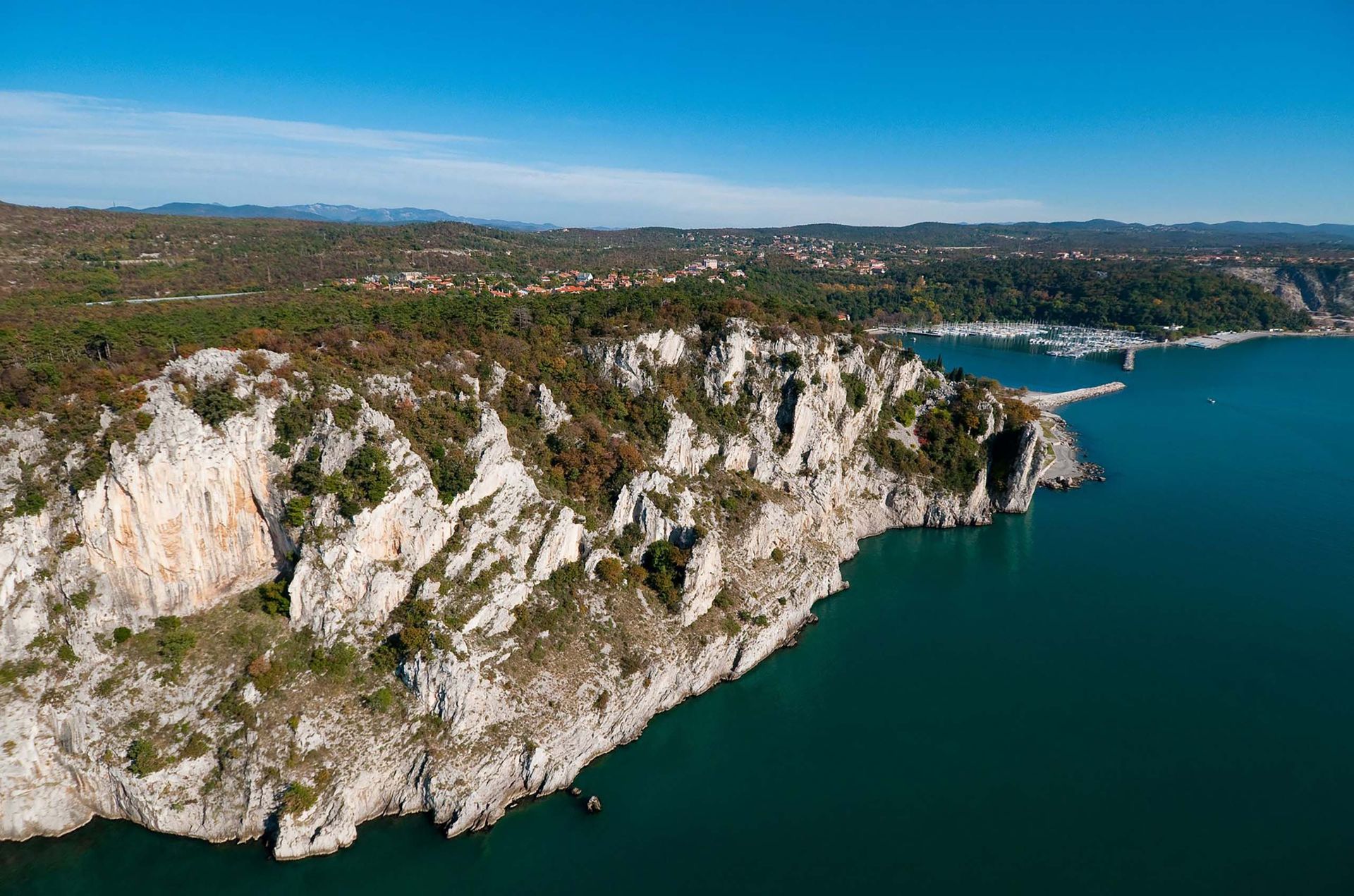
According to reporting by Decanter, Friuli-Venezia Giulia’s Carso DOC generated 199,000 bottles in 2025 across 57 registered hectares. Extreme karst terrain, native varietals, and a split between traditional skin-contact and modern vinification define this small Italian border region.
Friuli-Venezia Giulia's smallest functioning controlled designation of origin (DOC), Carso-Kras (or Carso), remains a niche segment within Italy's wine market characterized by micro-scale estates, unique environmental conditions, and distinct winemaking practices. According to reporting by Decanter, only 57 hectares of vineyards are officially registered under the Carso DOC denomination, which generated a total output of 199,000 bottles in 2025. However, these figures represent only part of the region's overall output, as many local producers choose to bottle their wines under the broader regional Venezia Giulia Indicazione Geografica Tipica (IGT) classification.
The commercial structure of the Carso plateau, located near the Bay of Trieste along the border with Slovenia, is defined by small landholdings. Castelvecchio represents the largest estate with 36 hectares, followed by Edi Kante with 17 hectares. None of the other 21 members of the local growers’ association cultivates more than 10 hectares, and several operate on fewer than five hectares. Vineyard expansion requires significant investment and labor; Castelvecchio reported that breaking stone to prepare a single hectare can take more than a month due to surface rock and thin limestone soils.
Despite water retention risks and potential damage to young vines from strong spring winds, Carso's dry climate and constant winds render fungal diseases practically non-existent, resulting in naturally low yields of healthy grapes. Production centers primarily on three signature varieties: native white grapes Malvasia Istriana and Vitovska, and the red grape Terrano. While Chardonnay and Sauvignon were introduced during modernization efforts in the 1970s, their market footprint in Carso remains marginal.
Winemaking in the region incorporates two key production models. Modern non-skin-contact white winemaking was introduced by producer Edi Kante and is utilized by estates such as Castelvecchio. In contrast, traditional skin-contact maceration is widely practiced by artisan growers, including Skerk, Zidarich, Skerlj, Merlak, Kocjancic, Lupinc, and Milic. Underground cellars carved directly into limestone up to 25 meters deep provide optimal conditions for these extended maceration styles. Although select leading producers export small quantities, the majority of Carso wine distribution remains localized.
Key facts
- Carso DOC registered 57 hectares of vineyards and produced 199,000 bottles in 2025.
- Many winemakers in the region choose to bottle under the broader Venezia Giulia IGT rather than the Carso DOC.
- Castelvecchio (36 ha) and Edi Kante (17 ha) are the largest estates; 21 other association members farm under 10 hectares each.
- Primary grapes cultivated are Malvasia Istriana, Vitovska, and Terrano, with Chardonnay and Sauvignon maintaining a minimal footprint.
- Producers utilize either conventional modern white vinification or traditional skin-contact maceration, storing wines in rock-carved cellars up to 25 meters deep.
Why it matters
Carso illustrates how extreme geographical conditions and niche native varietals drive value for micro-scale producers. The preference among many winemakers for IGT labeling over the local DOC highlights how smaller producers navigate regional branding, while traditional skin-contact techniques provide a distinct competitive identity in premium international and domestic niche markets.
- Decanter — 2026-09-28: “Carso-Kras: The windswept plateau home to one of Italy's most unique wine regions”
This article was prepared by WBI.org from the sources listed above with the assistance of AI and reviewed by a WBI editor before publication. Information is attributed to its original sources.