
Malawi Targets 50,000 Hectares of Coffee Cultivation to Expand Local Processing and Exports
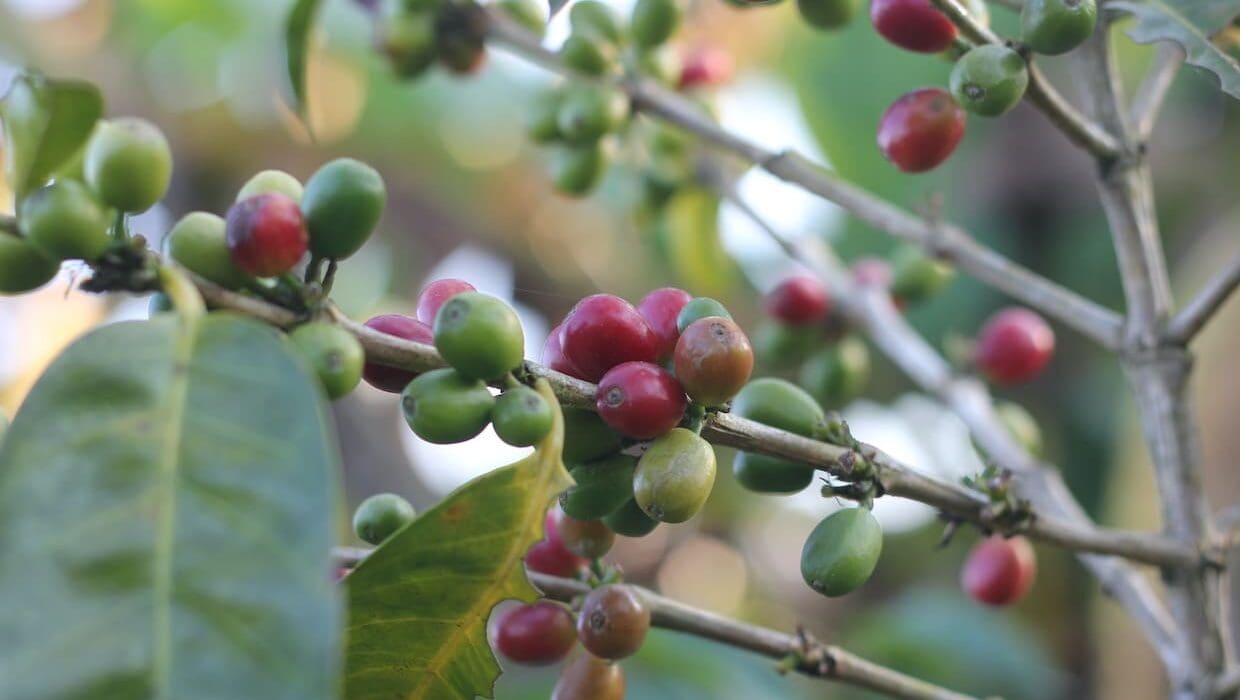
Malawi is pursuing a national strategy to scale coffee cultivation to 50,000 hectares while expanding local roasting, packaging, and processing capabilities with support from UNIDO and AICS.
Malawi is advancing a national strategy to expand its coffee production to as much as 50,000 hectares while boosting local processing capabilities and value addition. The plan was highlighted during an industry working lunch titled "From Bean to Boardroom: Unlocking Value in Malawi’s Coffee Value Chain," held alongside the 13th TEHA CEO Dialogue on Southern Africa in Johannesburg.
The government's expansion initiative is backed by international development partners, including the United Nations Industrial Development Organization (UNIDO) and the Italian Agency for Development Cooperation (AICS). Gianluca Luongo of the UNIDO ACT Coffee Programme confirmed that the initiative aims to increase productivity, elevate product quality, and promote local processing. UNIDO is working with public and private stakeholders to mobilize investment and convert the national strategy into operational projects. Key elements of this effort include establishing a training centre and a coffee commission in Lilongwe, while building cooperative skills, domestic processing capacity, and international market access.
AICS Director Marco Rusconi urged a shift away from extractive economic models in favor of initiatives that build local manufacturing and processing capacity. AICS and its partners are targeting improvements across harvesting, storage, roasting, and packaging. The organization is also focusing on supporting youth and female entrepreneurs, while assisting farmers in securing finance to adopt climate-resilient coffee varieties suited to shifting environmental conditions.
A central priority for the sector is navigating international compliance standards, particularly European Union anti-deforestation regulations. European markets require evidence that coffee land was not subject to deforestation during designated timeframes. Rusconi noted that establishing robust traceability and standardization frameworks is vital for Malawian coffee exports to maintain and expand access to European trade channels.
Highlighting the commercial potential of the sector, TEHA Africa Chief Executive Officer Pietro Mininni emphasized the need to build broader international awareness and distinct branding for Malawian coffee. The collaborative efforts aim to transition Malawi from a raw agricultural supplier into a competitive coffee processing and exporting hub.
Key facts
- Malawi plans to scale coffee cultivation to as much as 50,000 hectares.
- The initiative focuses on moving beyond raw exports to local value addition, including harvesting, storage, roasting, and packaging.
- UNIDO's ACT Coffee Programme is helping mobilize funding and set up a coffee commission and a training centre in Lilongwe.
- AICS is supporting climate-resilient crop finance, youth and female empowerment, and processing upgrades.
- Compliance with EU anti-deforestation regulations via traceability and standardization is identified as essential for European market entry.
Why it matters
This initiative represents a strategic move by an emerging African coffee producer to capture higher margins by establishing domestic processing, roasting, and packaging operations. Additionally, addressing EU anti-deforestation rules and traceability standards is critical for non-EU coffee producers seeking to maintain access to major European beverage import markets.
- Food Business Africa — 2026-11-16: “Malawi targets 50,000 Ha of coffee production in push to boost local processing”
This article was prepared by WBI.org from the sources listed above with the assistance of AI and reviewed by a WBI editor before publication. Information is attributed to its original sources.