
Languedoc Collective Seeks DGC Status for Haute Vallée de l’Orb Chardonnay
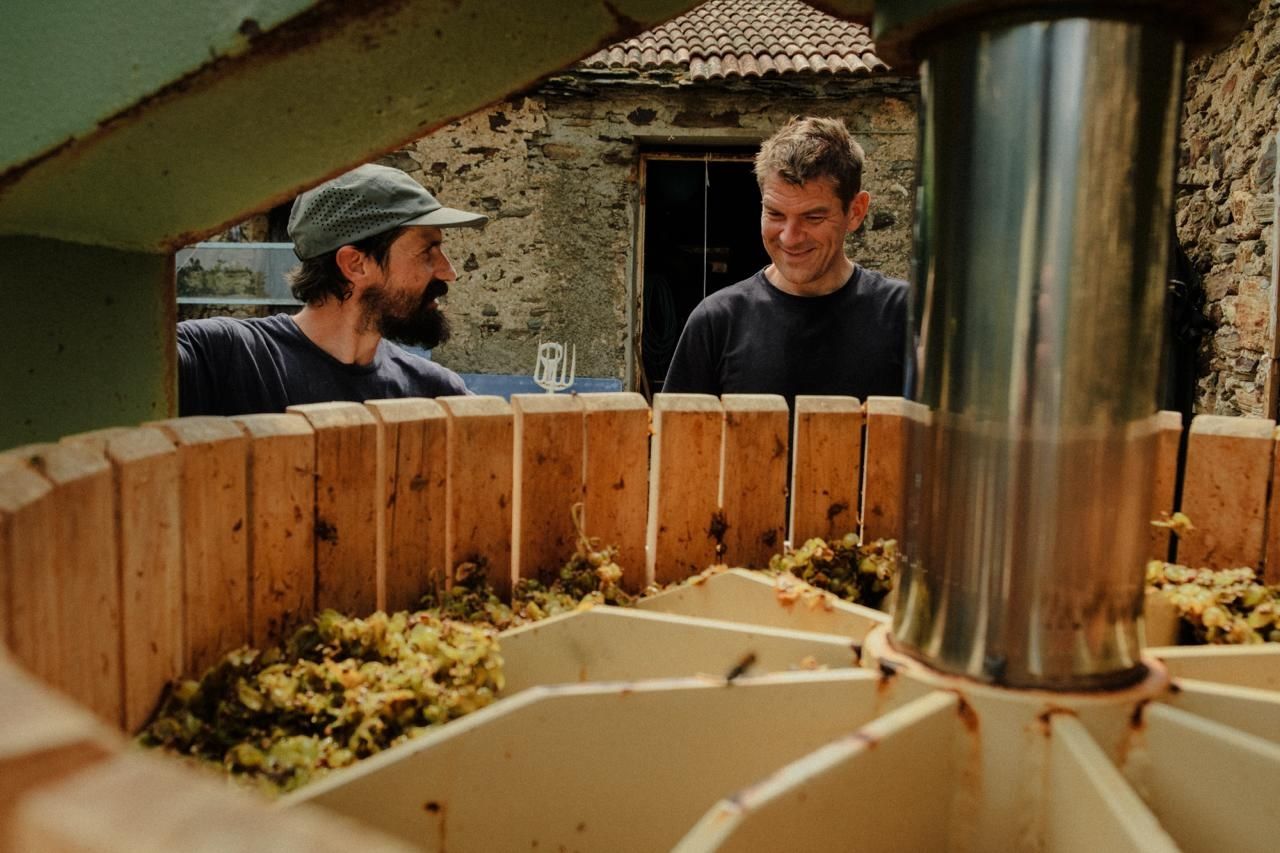
A collective of 10 wine producers in France's Haute Vallée de l'Orb has applied for a dénomination géographique complémentaire (DGC) named Monts d'Avène, marking a strategic effort to gain formal appellation status for high-altitude Chardonnay.
A collective of 10 winemakers in France’s Haute Vallée de l’Orb has formally applied for a dénomination géographique complémentaire (DGC) as part of a strategic push to secure eventual Appellation d'Origine Protégée (AP) status for high-altitude Chardonnay, according to a report by Decanter.
Spearheaded by Cédric Guy of Domaine de Bon Augure, the proposed DGC—named Monts d’Avène after a local lake and spa town—aims to establish a unified regional identity based on specific viticultural and enological criteria. Under the proposed framework, the designation would cover Chardonnay grown on brecciated limestone soils that is fermented and aged in oak barriques.
The application represents a significant shift for the region, which was recognized as a vin de pays in 1982 and an IGP in 2009. For decades, much of the area's grape output was funneled into local cooperative blends. However, commercial momentum has grown as established regional players and independent producers invest in the sub-region's microclimate. Languedoc négociant Calmel & Joseph has incorporated Haute Vallée de l’Orb Chardonnay into its globally distributed Les Crus range, offering bottlings such as L’Or Bohème. Independent domaines including Mas des Mesures, Pèira Clara, and Bòria Bissio have also joined the effort, alongside a monastic charity that leases older vineyards and plants new vines.
Viticulture in the valley dates to medieval monastic estates, though modern Chardonnay production expanded during the 1970s when former coal miners bulldozed hillside terraces following the closure of the local Graissessac mine in 1964. Outside investment followed, including a 1980 Chardonnay planting by Chablis-based Maison Laroche in nearby Lunas.
The region's alpine-leaning microclimate features clay-limestone soils, ample rainfall, warm days, and cool nights, allowing Chardonnay to retain acidity and concentration more effectively than lower, warmer vineyard sites across the broader Languedoc. The grower collective originally formed four years ago to prevent the uprooting of old mountain Chardonnay vines, subsequently shifting focus toward establishing a distinct formal appellation.
Key facts
- A collective of 10 winemakers led by Cédric Guy (Domaine de Bon Augure) has applied for a DGC titled Monts d’Avène in the Haute Vallée de l’Orb.
- The proposed DGC requires Chardonnay grown on brecciated limestone soils to be fermented and aged in oak barriques.
- The long-term objective of the producer collective is to achieve dedicated AP (Appellation d'Origine Protégée) status.
- Haute Vallée de l’Orb was designated as a vin de pays in 1982 and an IGP in 2009.
- Négociant Calmel & Joseph distributes Orb Chardonnay globally within its Les Crus portfolio.
- The region features high-altitude viticulture with clay-limestone soils, strong diurnal temperature swings, and high rainfall compared to lower Languedoc areas.
Why it matters
The formal application for DGC status illustrates growing commercial interest in high-altitude, cool-climate sub-regions within the Languedoc. As climate pressures affect warmer low-altitude vineyards, producers are investing in cooler microclimates capable of maintaining natural acidity and producing premium single-varietal wines with clear terroir identity.
- Decanter — 2026-11-16: “Forgotten France: Going to find liquid gold in the Haute Vallée de l’Orb”
This article was prepared by WBI.org from the sources listed above with the assistance of AI and reviewed by a WBI editor before publication. Information is attributed to its original sources.