
Kenya Targets 150,000 Tonne Coffee Output with New Climate-Resilient Varieties and Research Funding
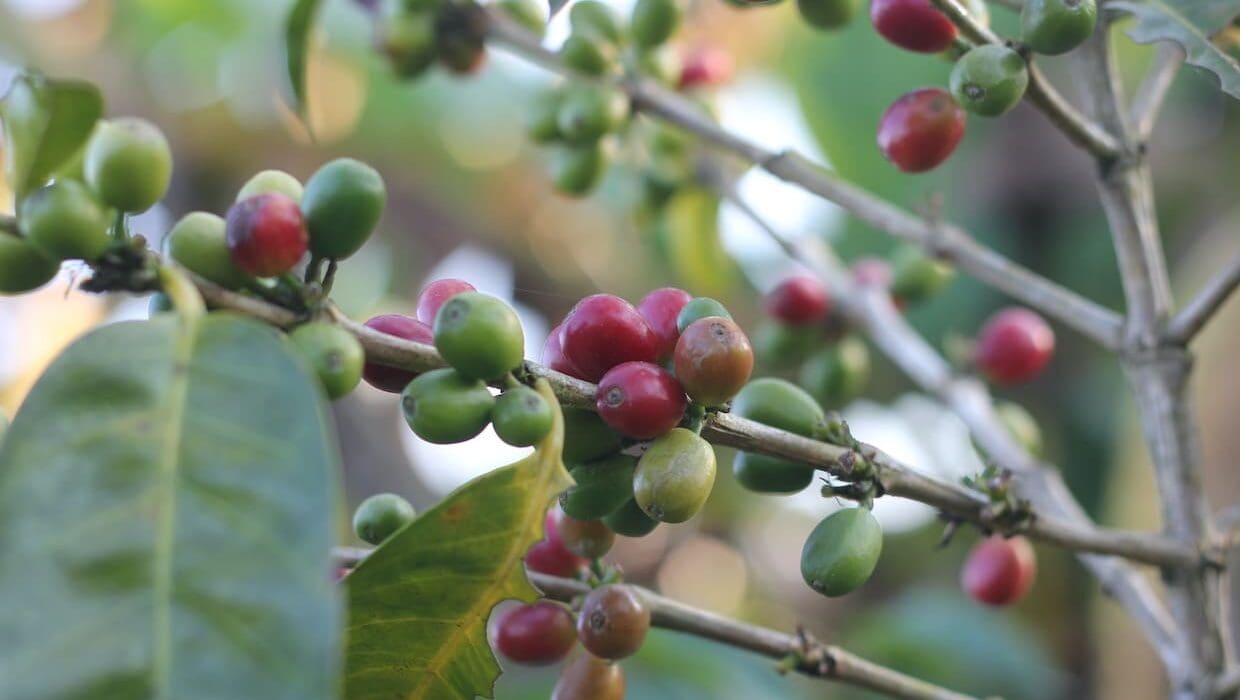
Kenya is planning to release new climate-resilient coffee varieties, including an Arabica-Robusta hybrid named 'Arabusta,' to boost national output to 150,000 metric tonnes. Speaking at EACMC 2026, industry leaders highlighted research underinvestment, a 30-million seedling annual deficit, and the need for improved farm irrigation to restore productivity.
Kenya is targeting a total coffee output of 150,000 metric tonnes by accelerating the development and distribution of high-yielding, climate-resilient crop varieties. Speaking at the East Africa Coffee Market & Conference (EACMC 2026), Coffee Board of Kenya Chairperson Henry Kinyua outlined state plans to address long-standing research underinvestment and overcome structural supply chain constraints.
For the 2025/2026 season, Kenya’s coffee production is projected at 60,000 metric tonnes, remaining significantly below the national 150,000-tonne goal. Kinyua noted that two to three decades of underfunding in coffee research had limited the development of varieties capable of improving yields and withstanding shifting climatic conditions. To reverse this trend, research institutions are preparing to release newly developed planting materials to growers. Among these is 'Arabusta,' a hybrid combining Arabica and Robusta traits, which is currently being developed at the Coffee Research Institute.
Funding for these initiatives will be backed by the Coffee Act of 2026, which provides dedicated resources for research and training. The legislation supports establishing the Coffee Research and Training Institute as an autonomous agency to mobilize capital and advance agronomic research.
However, limited access to planting materials remains a key bottleneck. Annual demand for coffee seedlings in Kenya is estimated at 40 million, while research institutions and nurseries currently produce roughly 10 million units per year. This 30-million-unit shortfall restricts efforts to replace aging trees and establish new plantations. Average production currently lingers at around two kilograms per coffee bush, though Kinyua emphasized that improved agronomic practices could restore the higher yields achieved in the 1980s.
Addressing the conference, Kenya Airways Board Chairman Kiprono Kittony urged stakeholders to focus on quadrupling yields on existing cultivated land. Kittony identified farm-level water access as an essential requirement, noting that many smallholders lack the financial capacity for irrigation infrastructure. He called for increased national and county government support alongside scientific farming practices, including pre-planting soil analysis and water planning.
Key facts
- Kenya targets a coffee production level of 150,000 metric tonnes, compared to a projected 60,000 metric tonnes for the 2025/2026 season.
- Annual demand for coffee seedlings stands at 40 million, against a current domestic supply of 10 million.
- Average coffee yield in Kenya is currently around two kilograms per bush.
- The Coffee Act of 2026 establishes funding for research and supports the Coffee Research and Training Institute as a standalone agency.
- Coffee Research Institute is finalizing 'Arabusta,' a hybrid combining Arabica and Robusta characteristics.
Why it matters
Kenya's effort to scale up high-yielding, climate-resilient coffee varieties and reform its research infrastructure addresses critical supply chain bottlenecks in East Africa. For global coffee roasters and beverage brands, successful deployment of varieties like Arabusta and improved farm yields could stabilize green coffee sourcing, mitigate climate-related supply shocks, and improve regional availability of quality beans.
- Food Business Africa — 2026-11-02: “Kenya seeks new coffee varieties to boost production”
This article was prepared by WBI.org from the sources listed above with the assistance of AI and reviewed by a WBI editor before publication. Information is attributed to its original sources.