
French Basque Appellation Irouléguy Expands Independent Domaines and Organic Production
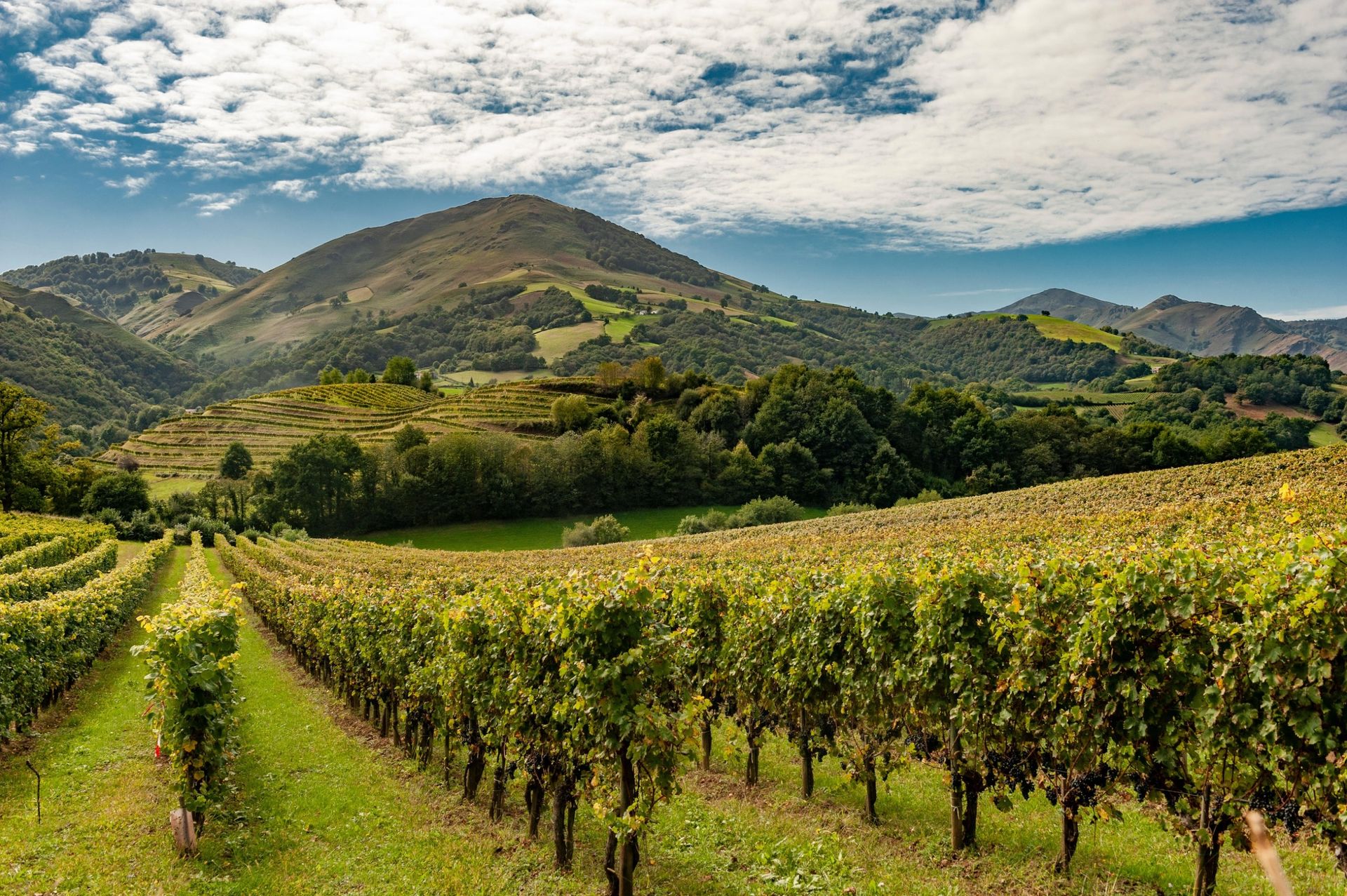
The Irouléguy wine appellation in the French Basque Country is experiencing a commercial resurgence. Driven by growing interest in white wine blends and organic farming, the number of independent producers has doubled over the past decade.
The Irouléguy appellation, the sole Protected Designation of Origin (AP) in the French Basque Country, is demonstrating a notable grassroots revival driven by growing demand for white wine blends and an expansion of independent producers. According to Decanter, the number of independent domaines in the region has nearly doubled over the past decade, expanding from approximately a dozen to more than 20 today.
Located in Southwest France near the Spanish border, Irouléguy spans roughly 270 hectares scattered across 15 villages in the Pyrenees foothills, including St-Etienne-de-Baïgorry and St-Jean-Pied-de-Port. The region’s viticultural history dates back to 11th-century plantings by monks from the Abbey of Roncesvalles. Following the 1659 Treaty of the Pyrenees, the vineyards moved under French jurisdiction. However, phylloxera and two world wars severely damaged the region, shrinking total vine coverage to just 30 hectares by 1950. A grower cooperative established in 1952 helped stabilize the appellation before it officially secured AOC status in 1970.
Red wines predominantly crafted from Tannat and Cabernet Franc continue to comprise the majority of Irouléguy’s production. However, white blends utilizing Gros Manseng, Petit Manseng, and Petit Courbu have served as the primary growth driver over the past ten years.
The region presents unique viticultural conditions characterized by steep, hand-carved terraced slopes composed of red sandstone, dark volcanic ophite, schist, and limestone. Farming requires manual labor, often utilizing ropes on steep inclines. Despite high annual rainfall averaging 1,500 mm—substantially higher than Bordeaux’s average of roughly 900 mm—approximately 80% of Irouléguy vignerons operate organically. The humid Atlantic climate is balanced by the warm, drying 'haize hegoa' south wind during autumn.
Producers such as early organic pioneer Domaine Arretxea, alongside Basque producers including Bordaxuria, Goienetxea, Apelxenia, Etxondoa, Domaine Ilarria, and Domaine Brana, are gaining increased commercial traction. These producers are successfully expanding placement of their wines within high-end restaurants across France and in international markets.
Key facts
- Irouléguy is the only AP in the French Basque Country, covering about 270 hectares across 15 villages.
- The number of independent domaines has grown from around 12 a decade ago to over 20 today.
- 80% of the appellation's vignerons farm organically despite a heavy annual rainfall averaging 1,500 mm.
- Red wines based on Tannat and Cabernet Franc make up the majority of production, but white blends (Gros Manseng, Petit Manseng, Petit Courbu) drive recent resurgence.
- Historically reduced to 30 hectares by 1950 due to phylloxera and world wars, the region established a cooperative in 1952 and gained AOC status in 1970.
Why it matters
Demonstrates consumer and trade demand for niche, high-acidity regional white wines and organic mountain viticulture, enabling small appellations to expand their footprint in international fine-dining channels.
- Decanter — 2026-10-05: “Forgotten France: The electric wines of Irouléguy”
This article was prepared by WBI.org from the sources listed above with the assistance of AI and reviewed by a WBI editor before publication. Information is attributed to its original sources.