
Decanter Inducts Burgundy Pioneer Lalou Bize-Leroy into 2026 Hall of Fame
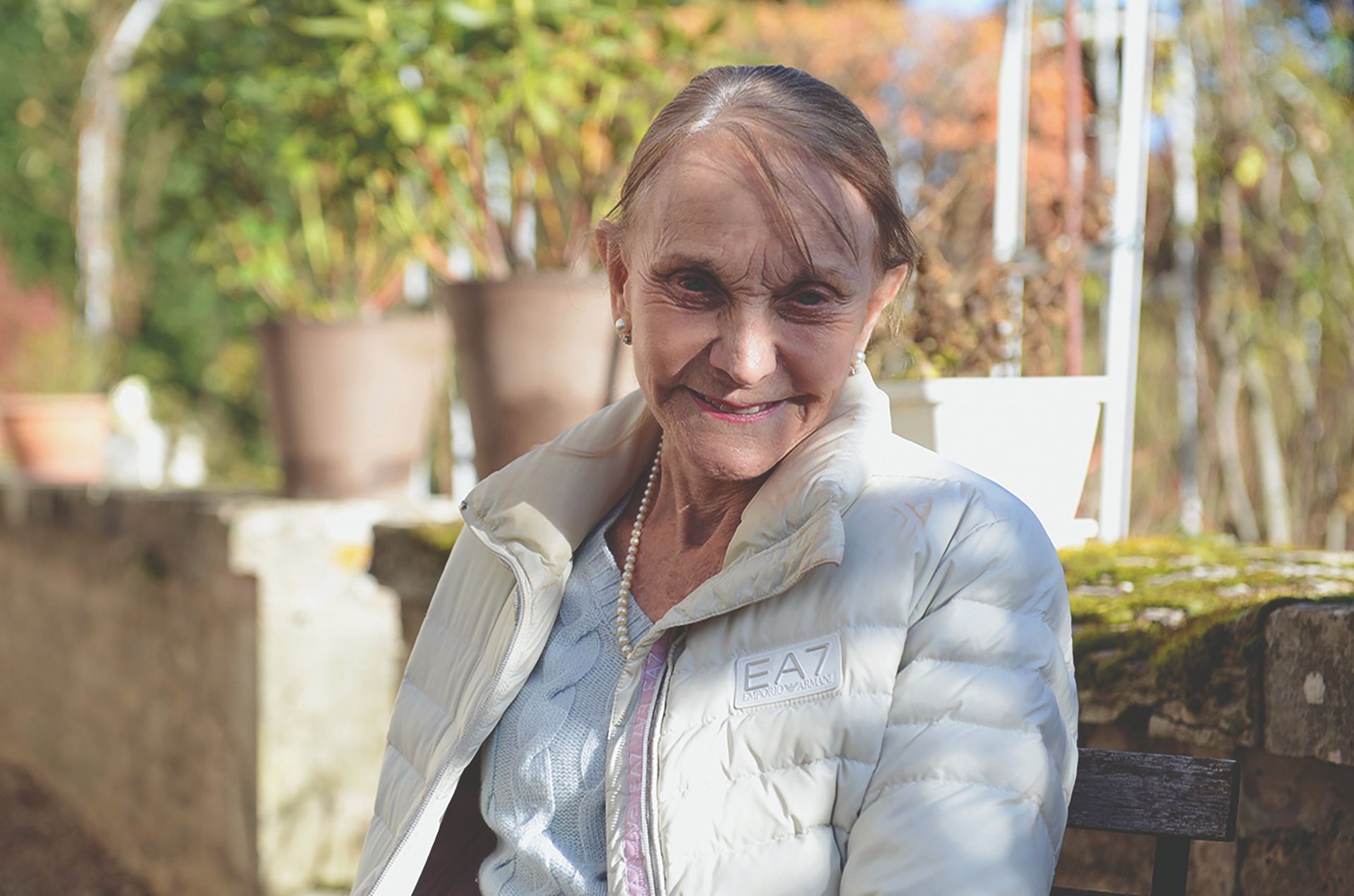
Burgundian winemaker Lalou Bize-Leroy has been named to the Decanter Hall of Fame 2026, recognizing her decades of influence on biodynamic viticulture, high-end fine wine production, and low-yield commercial strategy.
Decanter has named Burgundian winemaker and entrepreneur Lalou Bize-Leroy to its Decanter Hall of Fame 2026, honoring her decisive impact on Burgundy viticulture and the global fine wine market. Bize-Leroy, who assumed control of Maison Leroy's purchasing in 1955 at age 23, served as co-director of Domaine de la Romanée-Conti (DRC) from 1974 to 1992 before focusing on her own premier wine estates. Her family continues to hold a 50% stake in DRC, where her daughter, Perrine Fenal, currently serves as co-director.
In 1988, backed by Japanese partners, Bize-Leroy established Domaine Leroy through the purchase of Domaine Charles Noëllat and Domaine Philippe Rémy. The estate encompasses 22 hectares, 19 ares, and 85 centiares across village, premier cru, and nine grand cru holdings. Concurrently, she incorporated inherited family vineyards into Domaine d’Auvenay, an estate she owns outright in the hills above St-Romain.
Bize-Leroy pioneered commercial biodynamic viticulture in Burgundy, converting both estates in 1988. Her leadership influenced top regional producers to adopt certified biodynamic practices in later years, including Domaine Leflaive, Domaine Trapet Père et Fils, Domaine du Comte Liger-Belair, and DRC. She also introduced tressage—braiding untrimmed vine shoot tips over themselves rather than traditional hedging—and individual vine replacement via massal selection (repiquage) to preserve vineyard age.
From an operational perspective, Bize-Leroy’s production model relies on strict yield restrictions. Pruning to three or four buds limits yields to 15–16 hectolitres per hectare in optimal vintages, falling to 10 hl/ha or lower under difficult weather conditions. Harvested grapes undergo rigorous hand-sorting, with whole bunches trodden by foot and aged in air-dried oak barrels from François Frères.
While labor-intensive techniques like tressage can triple vineyard staffing requirements, the ultra-low yields yield high fruit concentration that underpins the estates' market positioning. High global demand and premium pricing have allowed Domaine Leroy to maintain strong commercial performance, selling out its production even during broader economic slowdowns.
Key facts
- Lalou Bize-Leroy was inducted into the Decanter Hall of Fame 2026.
- Bize-Leroy was appointed to manage Maison Leroy's wine purchases in 1955 and served as DRC co-director from 1974 to 1992.
- Domaine Leroy was established in 1988 with Japanese backing and comprises 22ha 19 ares 85 centiares.
- Domaine Leroy and Domaine d'Auvenay converted to organic and biodynamic viticulture in 1988.
- Pruning practices restrict Domaine Leroy's yields to 15–16 hl/ha in good years, dropping to 10 hl/ha or less in difficult conditions.
Why it matters
Bize-Leroy's pioneering move to biodynamic viticulture, low yields, and tressage set a benchmark for high-end winemaking in Burgundy. Her ability to achieve sustainable profitability through premium pricing and low yields demonstrates how ultra-luxury positioning can insulate beverage brands from broader economic downturns.
- Decanter — 2026-10-02: “Lalou Bize-Leroy: Decanter Hall of Fame 2026”
This article was prepared by WBI.org from the sources listed above with the assistance of AI and reviewed by a WBI editor before publication. Information is attributed to its original sources.