
Campania's Taurasi Struggles for Global Market Share Amid Marketing Deficits and Changing Consumer Preferences
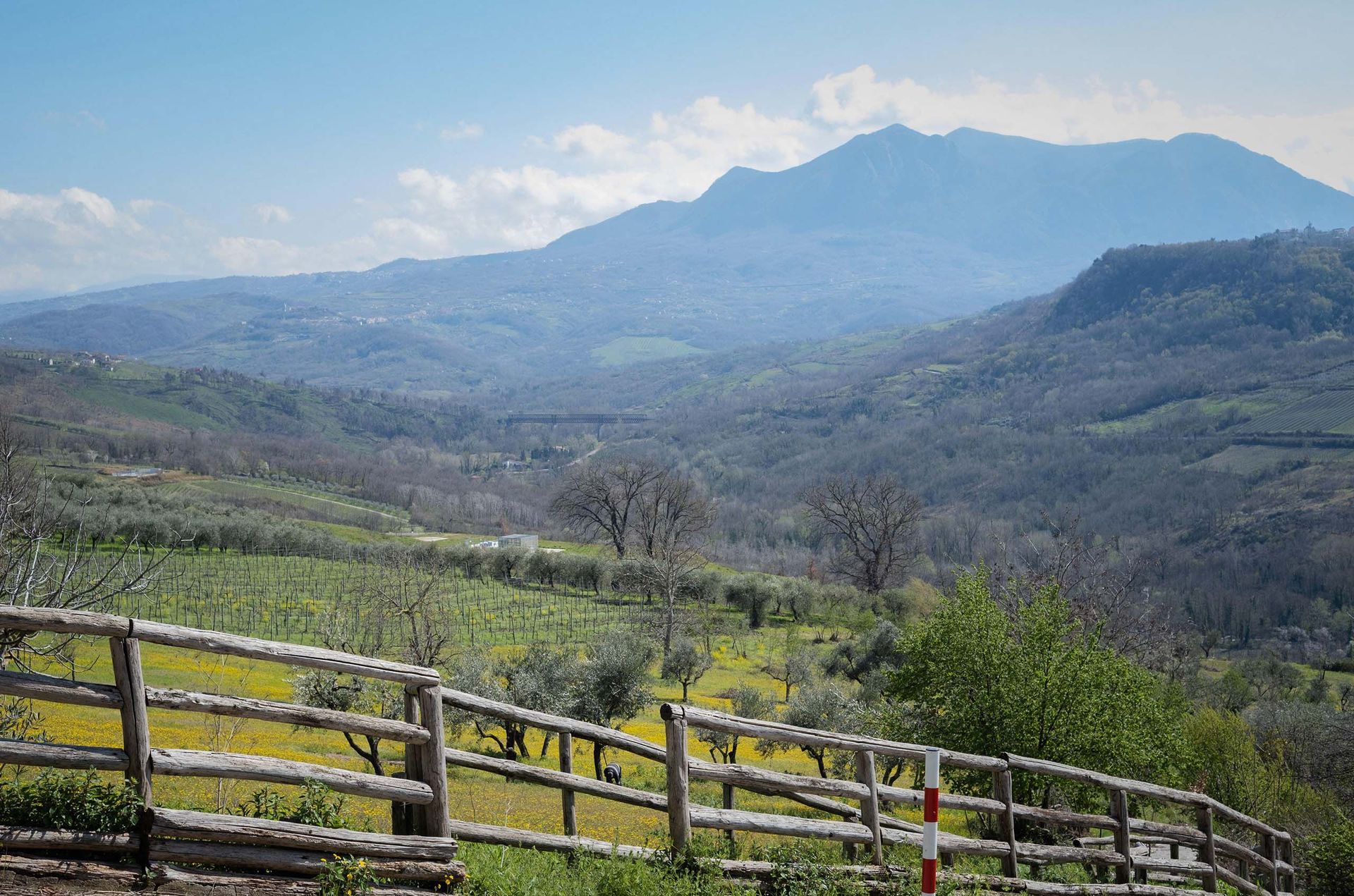
Despite its recognized cellar and aging potential, Campania's flagship Aglianico-based red wine, Taurasi, faces persistent export and restaurant representation challenges compared to Barolo and Brunello di Montalcino. Wine producers and trade professionals point to historical marketing deficits and aggressive tannins, though modern production adjustments offer new growth opportunities.
Campania’s flagship red wine, Taurasi, continues to face significant distribution and marketing hurdles in major international markets compared to top-tier Italian appellations such as Barolo, Brunello di Montalcino, and Amarone. Despite its recognized cellar potential, trade professionals report that promotional deficits, aggressive tannins, and limited historical export representation have hindered its global commercial growth.
Historically, Mastroberardino was the only winery exporting Taurasi to major global markets for much of the 20th century. Today, industry insiders emphasize that Taurasi’s limited audience stems primarily from marketing gaps rather than quality issues. Richard Hanauer, wine director at Chicago-based RPM Italian, noted that Taurasi missed the market immersion and advertising campaigns utilized by competing regions. However, Hanauer added that price increases for Barolo and Brunello have created a market opportunity for premium Italian red wines at lower price points.
A key operational barrier to mainstream adoption remains the aggressive tannic structure and high acidity of the Aglianico grape, which makes Taurasi challenging to sell in markets where buyers favor immediately approachable wines. Christian Ferrulli, wine director for SA Hospitality Group in New York City, described the wine as largely a hand sell that requires direct education at the table.
In response, regional producers are refining cellar techniques to create more balanced profiles. Milena Pepe of Tenuta Cavalier Pepe explained that producers are moving away from traditional long macerations—which often produced bitter notes—in favor of managed extractions to yield greater elegance while preserving structural integrity. At Benito Ferrara, owner Gabriella Ferrara utilizes four to five years of maturation in second- and third-use barriques to achieve tannin polymerization.
Terroir strategies are also evolving. Ilaria Petitto, proprietor of Donnachiara, sources Aglianico from lower-elevation vineyards in Torre Le Nocelle to facilitate earlier harvest timing, resulting in balanced wines. Donnachiara’s Taurasi 2021 recently achieved a commercial milestone by winning Best in Show at the 2025 Decanter World Wine Awards, marking the first Taurasi to receive the accolade.
Antonio Capaldo, CEO of Feudi di San Gregorio, stated that while Taurasi's small scale and identity mean it will never become a high-volume commodity, collective promotional efforts across the region remain necessary to secure international market share.
Key facts
- Mastroberardino was the sole exporter of Taurasi to major international markets for much of the 20th century.
- Trade professionals attribute Taurasi's lower market visibility compared to Barolo and Brunello di Montalcino to a lack of marketing support rather than quality.
- Higher price points for Barolo and Brunello are creating demand for lower-priced premium Italian red wines like Taurasi.
- Producers are modifying vinification by shortening maceration times and utilizing barrique aging to soften Aglianico's naturally aggressive tannins.
- Donnachiara's Taurasi 2021 won Best in Show at the 2025 Decanter World Wine Awards, becoming the first Taurasi to achieve this title.
Why it matters
Highlights trade barriers and commercial repositioning strategies for niche, high-tannin wine appellations seeking to expand international export footprints against established market leaders.
- Decanter — 2026-11-16: “It's one of southern Italy's great reds, so what’s holding Taurasi back?”
This article was prepared by WBI.org from the sources listed above with the assistance of AI and reviewed by a WBI editor before publication. Information is attributed to its original sources.